
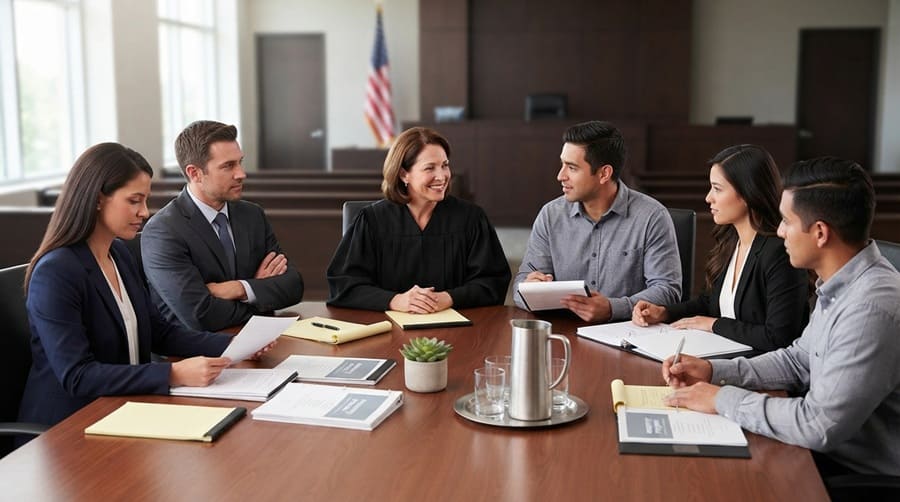
She said getting into Wellness Court offers a chance to improve things. The way is not an easy one. Everyone has rules to play by, goals to reach and solid work ahead of them. The programme requires commitment, honesty and patience. Wellness Court is different since it’s about healing, not punishment. If you are looking into Kansas City Specialty Courts, the aim is simple enough. Help people deal with the issues that brought them into the legal system, while keeping the community safer. Groups like Beyond the Bench KC are working to raise awareness of this objective. They contend that real justice does not merely examine the effects of illegal conduct, but its origins.
What Is a Drug Court?
The Wellness Court is a problem resolution Court. It works well with those who have legal issues related to mental health problems, substance use, or both. Qualified participants are treated with a court-approved treatment program rather than a traditional punishment. Judges, case managers, treatment providers and probation officials collaborate. Imagine renovating a house that has a shaky foundation. Repairing the roof is not a solution to the problem. The first thing is to make the basis strong.
Who is eligible?
Not every case is eligible for Wellness Court. The court considers numerous things before approving someone. These may include:
- The class of criminal offense
- Personal background
- Behavioral health or substance use issues
- Risk of reoffending
- Ability to comply with court rules
Each case is considered on its own merits. A judge and court team assess if the program is a good fit.
What To Expect: The Requirements
Many people wonder what Wellness Court really is. The answer is not just showing up in court.
View All Court Hearings
You are obligated to attend court regularly. The judge checks on progress, looks at treatment records, and examines any setbacks. Failure to attend hearings without approval may result in punishment. Presence is important. It displays Accountability and Respect for the programme.
Be active during your treatment
Wellness Court is all about treatment. Attendance of participants is possible:
- Counseling, individual
- Group therapy
- Mental health appointments
- Substance use treatments
- Education courses
Treatment strategies evolve throughout time. Some folks need more help at the beginning of the program. Some become more autonomous later.
Rule on Drug and Alcohol Testing
Regular testing is common. Tests can be given on short notice. That will help the court monitor development honestly. Failing or missing an exam might impact a participant’s status in the program.
Meet With Your Supervision Team
Participants generally meet probation officers or case managers. These discussions are about daily obstacles, treatment progress, employment, housing and other issues. The purpose is not only checking boxes. The team wants the participants to win.
Be Law-Abiding
New criminal charges pose major problems. Wellness Court members must stay out of legal problems while they are in the program. Progress inside the court is not the only important progress.
Life Appears Different Every Day
Wellness Court takes time and work. Some weeks are busier. Participants typically have to juggle employment, family, treatment sessions, court dates and personal aspirations. But honestly, that sounds daunting at first. But many grads believe the framework has helped them re-establish healthy routines. Little steps create habits. Those habits lead to enduring change.
You Can Count on Us for Support
Wellness Court is easy, some people say, because it is treatment-oriented. No, that’s not right. “It makes the participants responsible at every step of the way. Progress has its benefits while disobeying the rules of the program has its repercussions . At the same time, there’s never a lack of support. The court crew wants people to stick with it through the hard times. We all have our bad days. Wellness Court respects this but still expects accountability.
Developing Life Skills
Recovery is just one element of the process. Many participants also want to:
- Housing stability
- Regular work
- Better family relations
- Financial accountability
- Daily health practices
These goals decrease the likelihood of re-entry into the legal practice management system. This is a benefit to the individuals, their families and the Kansas City community.
The importance of commitment
Wellness Court is not a cure-all. Sometimes progress takes months longer. There are good weeks. There are tough weeks, too. The people who succeed are usually honest, they ask for help when they need it, and they keep turning up. That simple act of turning up is frequently the first step toward enduring change. Programs inside the Kansas City Specialty Courts continue to prove treatment, structure and accountability can operate hand-in-hand. Beyond the Bench KC is working to assist more people understand why these courts matter and how they help individuals develop healthier futures through education and outreach in the community.
FAQ’s – Frequently Asked Questions
- Who is eligible for Kansas City Wellness Court?
Many things go into eligibility. The court considers the criminal charge, personal history, treatment needs and willingness to follow program regulations. Each application is considered individually before admission.
- What is the typical length of a Wellness Court?
Program length varies by participant. Most people will spend many months in treatment, court and working on personal goals before they graduate. Fast is good. Slow is good.
- What if a requirement is missed?
You can be sanctioned for missing appointments, skipping court or failing a drug test. They can include additional meetings, further treatment or other court-approved responses. The aim is to change behavior while holding individuals accountable.
- Must participants attend treatment regularly?
Yep. A major requirement is regular treatment. This may involve counseling, therapy, recovery meetings, mental health care or educational programs depending on individual needs.” Attendance is taken carefully.
- What makes the Specialty Courts of Kansas City distinct from regular courts?
Kansas City Specialty Courts focus on fixing the problems that cause criminal behavior instead of simply applying regular sanctions. They integrate treatment, supervision and responsibility to assist participants reduce recidivism and improve long-term stability.


