
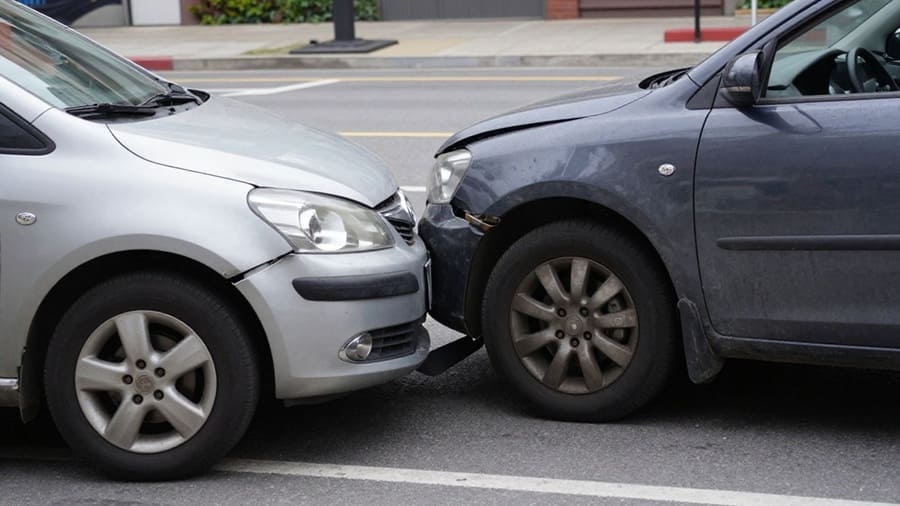
Getting into a car accident is never fun, and if someone else caused it, you’ll likely want to file a claim with their insurance. But how does that actually work? It can feel a bit confusing, especially when you’re dealing with repairs and maybe even injuries. This guide will break down how to handle filing a claim with the other driver’s insurance, what to do if things get complicated, and how your own insurance plays a role.
Key Takeaways
- When someone else hits your car, you can file a claim directly with their insurance company.
- At the scene, collect the other driver’s insurance details and be sure to share your own information.
- Potential issues include disagreements on who’s at fault, coverage limits, and slow communication from the other insurer.
- If the other driver has no insurance, you might need to rely on your own policy or explore other options.
- Contacting your own insurance company is always a good idea, even if the other driver was at fault, as they can guide you through the process.
Initiating A Claim With The At-Fault Driver’s Insurance
So, someone hit your car. Bummer. The first thing you’ll want to do is figure out how to claim insurance when someone hits your car, and that usually means going through the other driver’s insurance if they were at fault. It’s not always straightforward, but here’s a breakdown of how to get started.
Gathering Essential Information At The Scene
This is super important. When you’re at the accident scene, try to stay calm. Your priority is safety, but right after that, you need to collect details. Get the other driver’s insurance information. This typically includes their insurance company name, policy number, and sometimes a copy of their insurance card. If they don’t have it handy, at least get their name, phone number, and license plate. Also, snap some photos of the damage to both cars and the accident scene itself. If the police show up, get the report number; it can be really helpful later.
Filing The Claim With The Other Party’s Insurer
Once you’re home and have all the info, you’ll need to contact the other driver’s insurance company to start the claim. You’ll give them the details of the accident, including the information you gathered at the scene. They’ll likely assign an adjuster to your case. This person will investigate the accident, review the evidence, and determine fault. They might ask you to get repair estimates for your vehicle.
Here’s what you’ll typically need to provide:
- Your contact information
- The other driver’s information (name, policy number)
- Date, time, and location of the accident
- A description of what happened
- Details about vehicle damage and any injuries
- Police report number, if applicable
Informing Your Own Insurance Company
Even though you’re filing with the other driver’s insurance, it’s a good idea to let your own insurance company know what happened. They can advise you on the process and what to expect. Sometimes, they can even help facilitate the claim with the other insurer. Plus, if the other driver’s insurance is slow to respond or denies your claim, your own insurance company might be your next step, depending on your coverage.
Dealing with another person’s insurance company can feel a bit like being on the outside looking in. You don’t have a direct contract with them, so their primary loyalty is to their policyholder, not you. This means you might need to be persistent and keep good records of all your communications.
Potential Challenges When Filing An External Claim
Disagreements Over Fault
Sometimes, the other driver’s insurance company might not agree with your version of what happened. They might say their driver wasn’t actually at fault, or maybe they’ll suggest that both drivers shared some blame. This can get complicated because you don’t have a direct contract with their insurance company like you do with your own. They might drag their feet, asking for more information or waiting for their policyholder to respond, which can take ages. It’s important to get any disagreements about fault in writing so you have a record of their position.
Insufficient Coverage Limits
Another hurdle is when the other driver’s insurance policy doesn’t have enough coverage to pay for all your damages. Car accidents can get expensive, especially if there are significant injuries or major vehicle repairs. If their policy limits are too low, they might only pay up to that limit, leaving you to cover the rest. This is where things can get really frustrating, and you might need to look into other options.
Communication Difficulties With The Insurer
Dealing with an insurance company you’re not directly insured with can be a pain. They might not return your calls or emails promptly, or they might take a long time to get back to you. Since you’re not their customer, you might not get the same level of attention or quick responses you’d expect from your own insurer. It can feel like you’re constantly chasing them for updates or answers, which just adds to the stress of the situation.
Understanding Your Options If The Other Driver Lacks Insurance
So, what happens if the person who hit your car doesn’t have insurance? It’s a frustrating situation, for sure. You’re left wondering how you’ll get your car fixed and cover any medical bills.
Consequences Of Driving Uninsured
Driving without insurance is a big gamble. In most places, it’s against the law. If you’re caught, you could face fines, have your license suspended, or even have your car impounded. For the driver who caused the accident, the penalties can be pretty steep. But for you, the victim, the main consequence is that you can’t just file a claim with their insurance company because, well, there isn’t one.
Navigating Claims Without The Other Party’s Insurance
If the at-fault driver has no insurance, you’ve got a few paths you can take. It’s not ideal, but there are ways to get compensation.
- Use your own insurance: This is often the quickest route. If you have collision coverage, it can pay for your car’s repairs. If you have uninsured motorist (UM) coverage, that’s specifically designed for situations like this. It can cover your repair costs and even medical bills if the other driver didn’t have insurance.
- File a lawsuit: You could sue the other driver directly. This means you’d be asking a court to order them to pay for your damages. However, this can be a long and difficult process, and there’s no guarantee you’ll actually collect the money, especially if they don’t have assets.
- Seek help from a state agency: Some states have programs or funds that can help victims of uninsured drivers. You’d need to look into what’s available in your specific area.
When the other driver doesn’t have insurance, your own policy becomes your primary safety net. It’s why having robust coverage, like uninsured motorist, is so important. It protects you when others don’t follow the rules.
If you end up using your own insurance, your insurance company might try to go after the uninsured driver to recover the money they paid out. If they’re successful, you might even get your deductible back. It’s a bit of a hassle, but it’s better than being stuck with all the costs yourself.
The Role Of Your Own Insurance Provider
Even though the other driver caused the accident, your own insurance company can play a significant part in getting things sorted out. It’s not always about waiting for the other party’s insurer to do everything. Sometimes, the quickest and most straightforward path involves your own policy.
When To Contact Your Insurer
There are a few key times when reaching out to your own insurance company makes a lot of sense. If the other driver is being difficult, if you’re not sure they even have insurance, or if you just want to get your car fixed faster, your insurer is a good first call.
- The other driver is uninsured or underinsured: If they don’t have enough coverage to pay for your damages, your uninsured/underinsured motorist coverage can kick in.
- You need repairs quickly: Your collision coverage can pay for your car’s repairs, and you can then let your insurer deal with the other party’s insurance to recoup their costs.
- You have medical expenses: Depending on your policy, coverages like Personal Injury Protection (PIP) or Medical Payments (MedPay) can help with your medical bills.
- It was a hit-and-run: If you don’t have the other driver’s information, your own policy might be your only recourse.
How Your Insurer Handles External Claims
When you file a claim through your own insurance after an accident caused by someone else, your insurer essentially steps into your shoes to deal with the at-fault party’s insurance company. This process is called subrogation. Your insurance company will pay for your covered damages, and then they will try to recover that money from the at-fault driver’s insurer.
Here’s a general idea of what happens:
- You file a claim with your insurer: You’ll provide all the details of the accident, just like you would if you were filing a claim directly with the other party.
- Your insurer investigates: They’ll assess the damage to your vehicle and determine fault, often using police reports and witness statements.
- Repairs are made: If you have collision coverage, your insurer will pay for your repairs, minus your deductible.
- Subrogation begins: Your insurer then contacts the other driver’s insurance company to get reimbursed for what they paid out.
- Deductible reimbursement: If your insurer is successful in recovering the full amount of the damages from the other party’s insurance, you’ll typically get your deductible back. This can take time, though.
It’s important to remember that even if you use your own insurance, the accident is still considered an external claim if the other driver was at fault. Your insurer handles the claim, but they will pursue the responsible party’s insurance to cover the costs. This can often be a faster way to get your car repaired and avoid the potential delays or disputes that can arise when dealing directly with an unfamiliar insurance company.
If both drivers involved in an accident happen to be insured by the same company, it might seem like things would be simpler. However, this situation can sometimes create a conflict of interest for the insurer, as they might feel pressure to protect their own financial interests rather than fairly settling the claim for both parties. In such cases, understanding your rights and possibly seeking advice from a legal professional can be beneficial to ensure you receive a just outcome [b770].
Impact On Your Insurance Record And Premiums
So, you’ve filed a claim with the other driver’s insurance after they hit your car. What happens next, and how does this whole situation affect your own car insurance?
Duration Of A Claim On Your Record
Generally, a car insurance claim sticks around on your driving record for about three years. This timeframe can shift a bit depending on where you live, as different states have their own rules about how long these incidents are officially noted. It’s not like a permanent mark, but it’s something insurers will see when they review your history.
Factors Affecting Premium Increases
This is the big question, right? Will your insurance rates go up? It really depends on a few things. While it might seem unfair if you weren’t at fault, insurers look at a lot of data. Here’s a breakdown of what can play a role:
- Your Insurance Company’s Policies: Some companies are more lenient than others. They might not raise your rates for a claim where you were clearly not the one who caused the accident.
- The Nature of the Claim: Was it a minor fender-bender or a more serious collision? The severity can influence their decision.
- Your Overall Driving History: If you have a clean record with no prior accidents or tickets, you’re more likely to avoid a premium hike. A history of claims or violations makes an increase more probable.
- Location: Believe it or not, where you live can impact your rates. Areas with higher rates of accidents or theft might see premiums rise more often.
It’s important to remember that even if you file a claim with the other party’s insurance, your own insurance company might still be notified. They keep tabs on your policy activity, and this can sometimes influence their assessment of your risk profile. Talking to your own insurer about potential rate hikes is always a good idea.
Sometimes, even if you’re not at fault, your premiums might see a slight adjustment. This is because insurance companies assess risk based on various factors, and a claim, regardless of fault, can be seen as an indicator of increased risk. It’s not always a direct cause-and-effect, but it’s a possibility to be aware of.
Wrapping Up Your Insurance Claim
So, you’ve been in an accident where someone else was at fault, and you’ve filed a claim with their insurance. It can be a bit of a process, and sometimes things don’t go as smoothly as you’d hope. Remember, you don’t have to deal with the other driver’s insurance company alone. Your own insurance provider is there to help guide you through it all. Keep good records, and if you run into issues, don’t hesitate to ask for clear explanations in writing. Hopefully, this guide has made the steps a little clearer and less stressful.
Frequently Asked Questions
What’s the first thing I should do if someone hits my car?
The very first thing you should do is make sure everyone is okay. After that, gather important information. Try to get a picture of the other driver’s insurance card and their driver’s license. If they don’t have their card, write down their name, phone number, insurance company, and policy number. It’s also a good idea to exchange your contact and insurance details with them.
Do I have to contact the other driver’s insurance company myself?
Nope, you don’t have to. While you can file a claim directly with the other driver’s insurance, you can also just let your own insurance company know what happened. They can often handle the claim for you, which can make things much simpler.
What if the other driver doesn’t have insurance?
If the other driver doesn’t have insurance or drives off without stopping, it gets a bit more complicated. Driving without insurance is against the law in most places. In this situation, you might need to look into using your own insurance, like your uninsured motorist coverage if you have it, or explore other options depending on your policy and local laws.
Can the other driver’s insurance deny my claim?
Yes, they can. The other driver’s insurance might disagree about who was at fault, claim their driver had limited coverage that doesn’t cover all the costs, or simply be slow to respond. If they deny your claim or offer less than you think is fair, ask them for a clear explanation in writing.
How long does an accident claim stay on my insurance record?
Generally, an accident claim stays on your insurance record for about three years. This can vary a little depending on where you live and the specific rules of your state or insurance company.
Will my car insurance rates go up if someone else hits me?
It’s possible, but not always. Insurance companies look at many things when deciding rates, like how many claims you’ve had, your driving history, and where you live. Even if the accident wasn’t your fault, some companies might still adjust your premium. It’s best to talk to your insurance agent to understand how this specific accident might affect your rates.


