
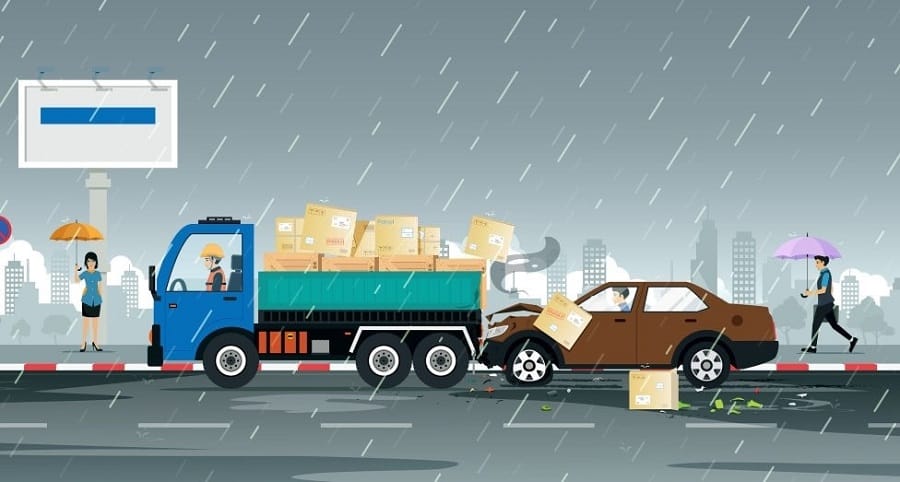
Truck accident lawsuits involve far more complexity than most people expect. While car accidents usually involve private drivers and straightforward insurance claims, truck crashes often trigger large-scale investigations and multi-party disputes. An experienced truck accident lawyer in Albany is often necessary because these cases operate under different legal, regulatory, and financial standards that can strongly affect outcomes.
Understanding how truck accident cases differ from car accident claims helps injured individuals better prepare for the challenges ahead and avoid costly missteps early in the legal process.
Vehicle Size And Impact Severity Differences
One of the most significant differences between truck and car accidents is the sheer size and weight of commercial vehicles. A fully loaded tractor-trailer can weigh many times more than a passenger car, increasing the force of impact during a collision.
This disparity often leads to more severe injuries for occupants of smaller vehicles. Victims may experience long-term physical limitations, extended hospital stays, or permanent loss of income. Because injury severity directly affects compensation, truck accident lawsuits typically involve higher financial stakes than standard car accident cases. Higher damage values also mean stronger resistance from insurance carriers, which adds another layer of difficulty for injured claimants.
Liability Extends Beyond Just Drivers
Car accident cases often focus on one negligent driver. Truck accident lawsuits, however, may involve multiple parties whose actions contributed to the crash.
Potentially responsible parties can include the truck driver, the trucking company, vehicle maintenance contractors, cargo loaders, or manufacturers of defective parts. Each party may carry its own insurance policy, legal representation, and defense strategy.
Sorting through these relationships requires extensive investigation, making truck accident litigation far more demanding than most passenger vehicle claims.
Federal And State Regulations Play Key Roles
Commercial trucking is governed by detailed federal and state regulations that do not apply to everyday drivers. These rules control driver work hours, licensing requirements, vehicle maintenance standards, and cargo weight limits.
Violations of these regulations can become central issues in truck accident lawsuits. For example, drivers who exceed allowable driving hours may be operating while fatigued, increasing crash risk. Maintenance failures or improper cargo loading can also shift liability toward companies rather than individual drivers.
These regulatory considerations rarely apply in car accident cases, highlighting a major legal distinction between the two.
Evidence Requirements Are More Technical
Truck accident lawsuits rely on more complex evidence than standard car accident claims. Commercial trucks often contain electronic data systems that record speed, braking, engine performance, and driving hours.
This information is critical for determining fault but may only be stored for limited periods. Trucking companies are often quick to secure or limit access to this data, making early legal action essential.
Car accident cases typically rely on police reports, eyewitness statements, and photographs, which are easier to gather and preserve.
Insurance Coverage Structures Are More Complex
Most car accidents involve personal auto insurance policies with limited coverage thresholds. Truck accident lawsuits usually involve commercial insurance policies with higher limits and layered coverage structures.
While higher coverage amounts can be beneficial, they also encourage insurers to challenge claims more aggressively. Insurance providers may dispute medical findings, question fault, or delay negotiations to reduce their financial exposure.
Navigating these coverage layers requires experience with commercial insurance systems, something that is rarely necessary in car accident cases.
Case Timelines Are Often Longer
Truck accident lawsuits typically take longer to resolve than car accident claims. Multiple defendants, extensive document discovery, and technical evidence reviews can significantly extend the legal timeline.
Depositions, expert testimony, and record analysis are common in truck cases and less frequent in routine car accident litigation. Victims may need patience and strong legal planning to ensure their claims are handled properly.
The longer timeline underscores the importance of building a thorough and well-supported case from the beginning.
Defense Strategies Are More Aggressive
Trucking companies usually respond to accidents with dedicated legal teams focused on limiting liability. These teams may begin gathering evidence immediately after a crash occurs.
Defense tactics can include shifting blame to injured parties, challenging medical diagnoses, or pressuring victims into early settlements. This level of legal resistance is less common in typical car accident cases.
Being prepared for a more adversarial process is essential when pursuing compensation after a truck-related crash.
Damage Calculations Require Long-Term Planning
Truck accident injuries often require years of medical care or rehabilitation. Calculating damages in these cases involves projecting future treatment costs, lost earning capacity, and ongoing personal impact.
Car accident cases often involve shorter recovery periods and simpler damage calculations. Truck accident lawsuits demand a broader financial assessment to ensure compensation reflects the full scope of losses.
Failure to consider long-term needs can result in settlements that fall short of covering future expenses.
Importance Of Focused Legal Guidance
Truck accident lawsuits differ from car accident cases in almost every meaningful way, from liability determination to evidence handling and settlement negotiations. These differences increase both the complexity and the financial risk involved.
Law firms such as Finn Law Offices work to address these challenges by handling regulatory issues, insurer disputes, and multi-party liability concerns with the level of attention these cases require.


