
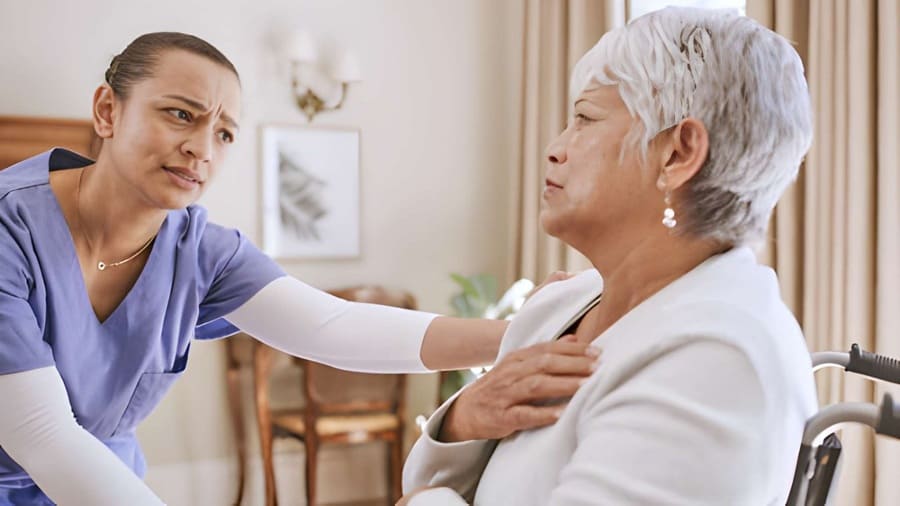
Protecting residents from choking and aspiration requires a structured, proactive strategy that combines thorough assessments, personalized care, and vigilant monitoring. These risks are among the most serious yet underrecognized dangers in long-term care.
Research consistently shows that choking is a leading cause of unintentional injury-related deaths in the United States. Older adults are particularly vulnerable due to age-related changes in swallowing, chronic health conditions, and the effects of certain medications.
- Each year, more than 4,100 Americans aged 65 and older die from choking—representing nearly three-quarters of all choking deaths nationwide.
- Nursing home residents experience choking and suffocation deaths at a rate nearly eight times higher than the general population.
- Across all ages, the average choking death rate is about 1.6 per 100,000 people.
- In 2022 alone, the U.S. recorded approximately 5,554 choking fatalities, with older adults making up the largest share.
Before we look at prevention strategies, let’s define our terms.
- Aspiration pneumonia is a lung infection that develops when food, liquid, vomit, or saliva enters the lungs. It often leads to severe complications such as sepsis or respiratory failure.
- Choking occurs when an object blocks the airway, preventing breathing. Without quick intervention, it can cause asphyxia, brain injury, or death.
Key Prevention Strategies for Nursing Homes
Let’s look at some critical prevention strategies nursing homes should be adopting to prevent choking and aspiration. Failure to use these strategies may constitute elder abuse. If you suspect your loved one has been the victim of abuse or neglect, contact an elder abuse attorney.
- Safeguarding
Residents with swallowing problems or a history of aspiration pneumonia require special safeguards. Beds should be elevated 30–45 degrees during and after meals, with close supervision and minimal distractions at mealtimes. - Medication Reviews and Adjustments
Drugs such as sedatives, antipsychotics, and muscle relaxants can weaken swallowing reflexes. Regular medication reviews allow providers to adjust dosages, switch to safer alternatives, or schedule doses around mealtimes. - Oral Hygiene
Poor oral care increases the risk of aspiration pneumonia because harmful bacteria from the mouth can be inhaled into the lungs. Daily brushing, flossing, and denture cleaning are essential, with staff assistance provided as needed. - Dietary Modifications
Adjusting food and drink textures is one of the most effective ways to prevent choking. Diets may include pureed foods, minced or mechanically soft options, and thickened liquids for residents with dysphagia. The International Dysphagia Diet Standardisation Initiative (IDDSI) provides evidence-based guidelines that, when followed, significantly reduce choking incidents. - Safe Positioning
Residents should remain upright during meals and for at least 30 minutes afterward. For bedridden residents, trained staff should use positioning techniques that support safe swallowing. - Supervision During Meals
High-risk residents—including those with dementia, Parkinson’s disease, or stroke aftereffects—must be closely monitored or assisted while eating. Staff should help regulate eating pace, encourage thorough chewing, and intervene immediately if choking occurs. - Dysphagia Risk Evaluation
Dysphagia (difficulty swallowing) is very common in nursing homes. Residents should undergo routine evaluations by speech-language pathologists to detect swallowing issues early and guide tailored interventions, such as modified diets or therapeutic exercises. - Emergency Preparedness
Even with strong preventive measures, emergencies can still happen. Nursing homes must have clear, practiced response protocols. Staff should be trained in abdominal thrusts (Heimlich maneuver), back blows, and basic life support. Rapid response is critical—permanent brain injury can begin within four minutes of oxygen deprivation.
Legal Options for Victims of Nursing Home Abuse
If you believe a loved one suffered choking or aspiration pneumonia in a nursing home due to inadequate care, consulting an experienced nursing home abuse lawyer can help determine whether you have grounds for legal action.


